The highlight of my travel to Spain was undoubtedly my visit to the Mezquita Mayor de Granada ( The Grand Mosque of Granada) to perform the Friday prayer.
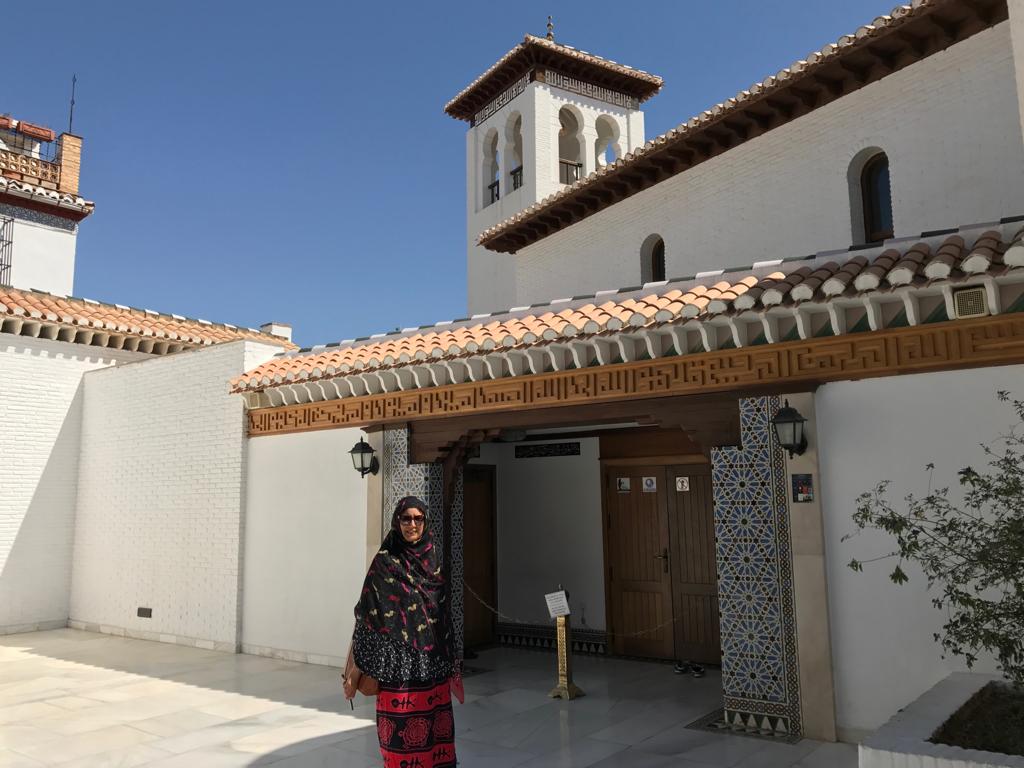
Inside the Grande Mosque of Granada
To understand the significance of this mosque you have to understand the history of the Muslims in Spain and particularly in Granada.
In 1492, the last Muslim leader of the Iberian Peninsula, Emir Muhammed X1 of Granada (known as “Boabdil” to the Spanish) surrendered control to King Ferdinand and Queen Isabella of Castille, after the last battle of the Granada war.
By this time most of Spain had already been re-conquered by the Christians and Granada was one of the last cities to fall.
After the fall of Granada, the Jews and Muslims were given a short period of time to either accept Christianity or be driven out of Spain. By 1502 the Catholic monarch had made the practice of Islam illegal in Spain. There were 137 mosques in the city of Granada, all of them were demolished and converted into churches.
For 500 years the Muslim call to prayer could no longer be heard in Granada, or the rest of Spain. Then in 2003, the Muslims of Granada finally won their 22 year appeal with the city authorities and were granted permission to start building a new mosque.
Standing in the shadow of the Alhambra, high up in the Albaicin Quarters, the Grand Mosque of Granada opened its doors in July 2003. It heralded a new beginning for the Spanish Muslim of Granada.
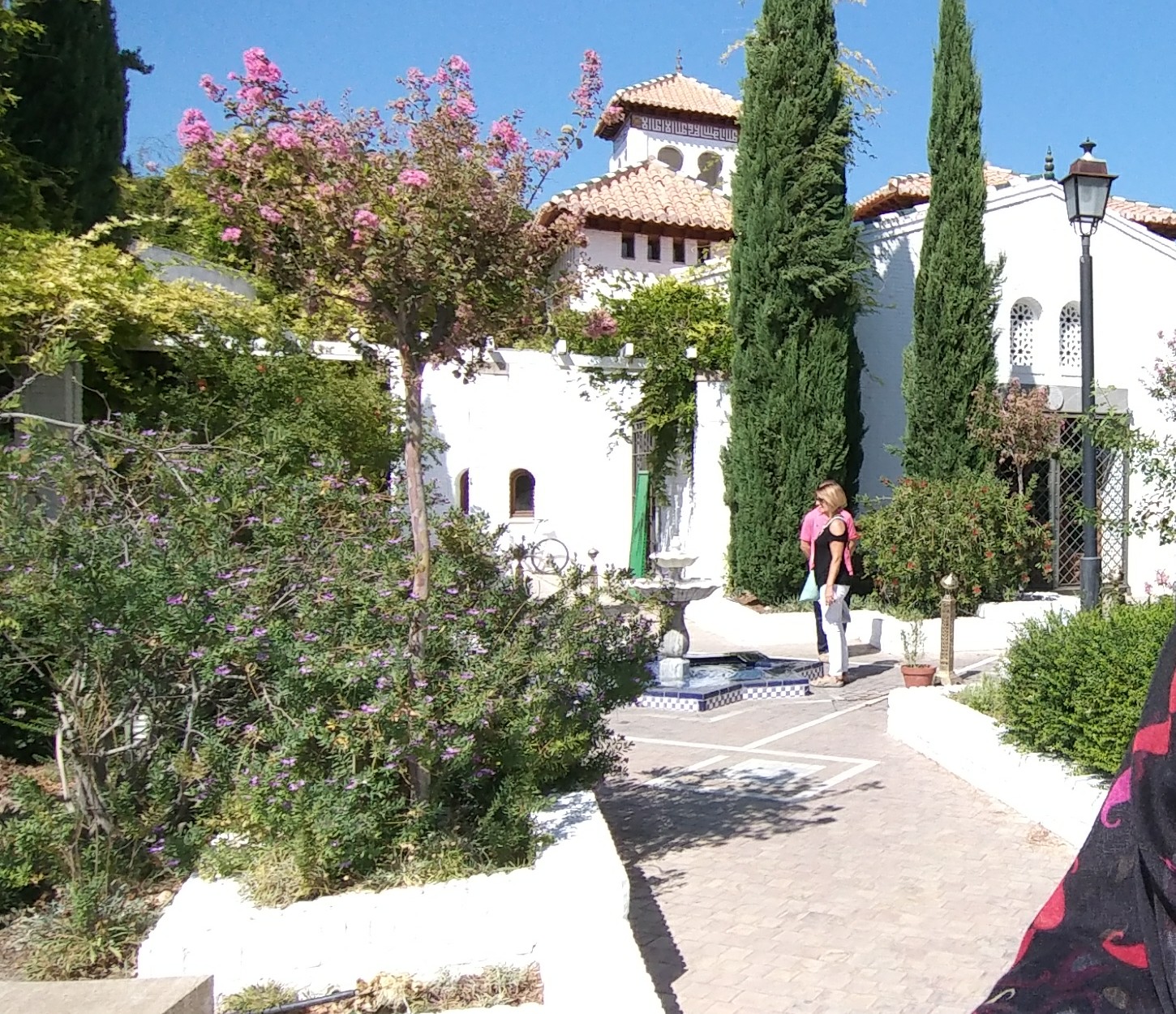
We had planned our trip so that we could be in Granada on Friday in order to make the Jumuah (Friday Congregational) Prayer at this mosque. We visited the Albaicin Quarters on the Thursday for sight-seeing, by bus, but were not able to find the mosque.
We decided that a walk would probably be best on the Friday morning and started navigating our way from our hotel towards the Albaicin Quarters after a late morning breakfast.
The Albaicin is the old Arab Quarters in Granada.
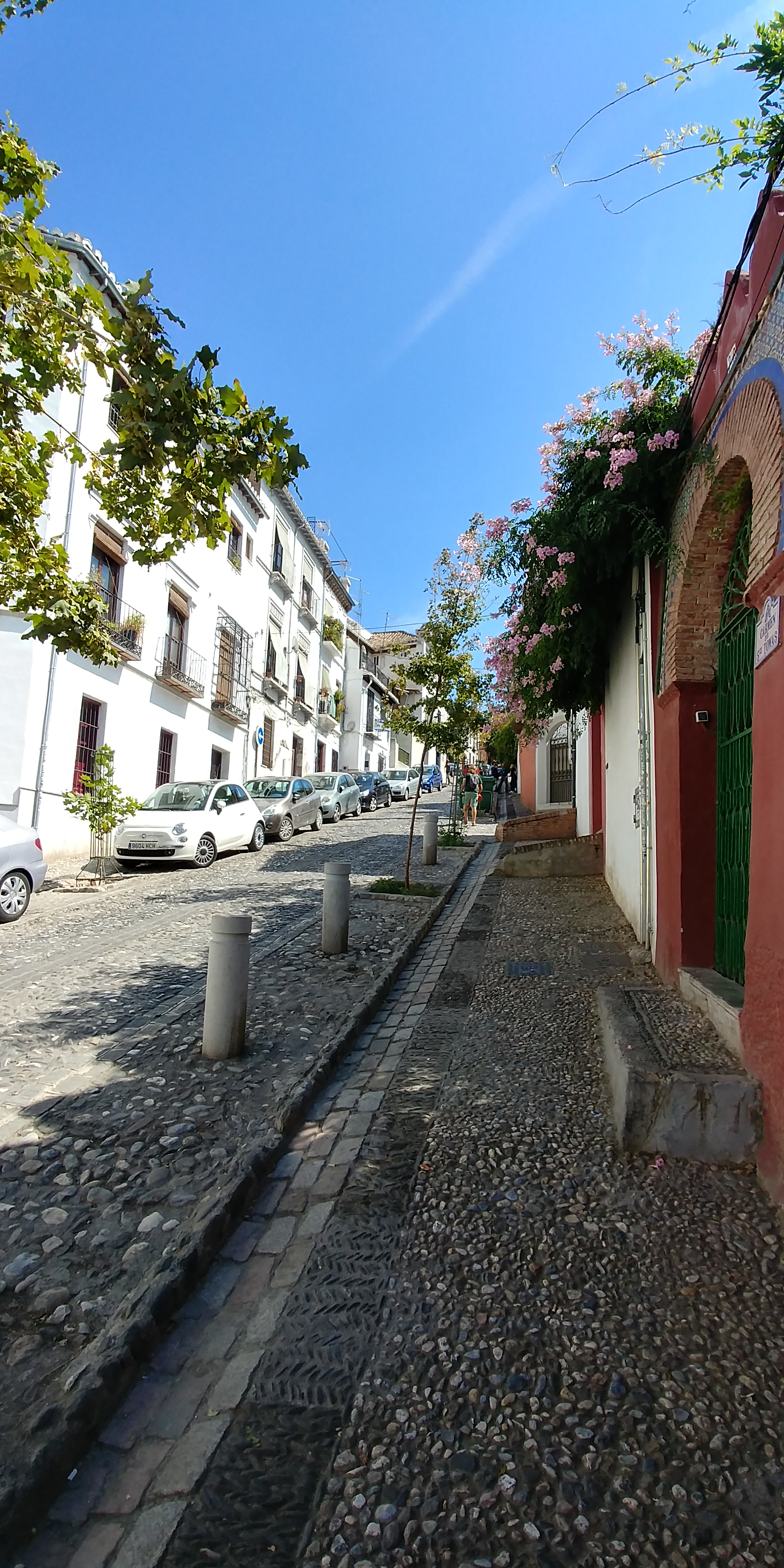
It is situated between the hill of Alhambra and the Sacromente, an authentic gypsy neighbourhood where the Flamenco dance originated.
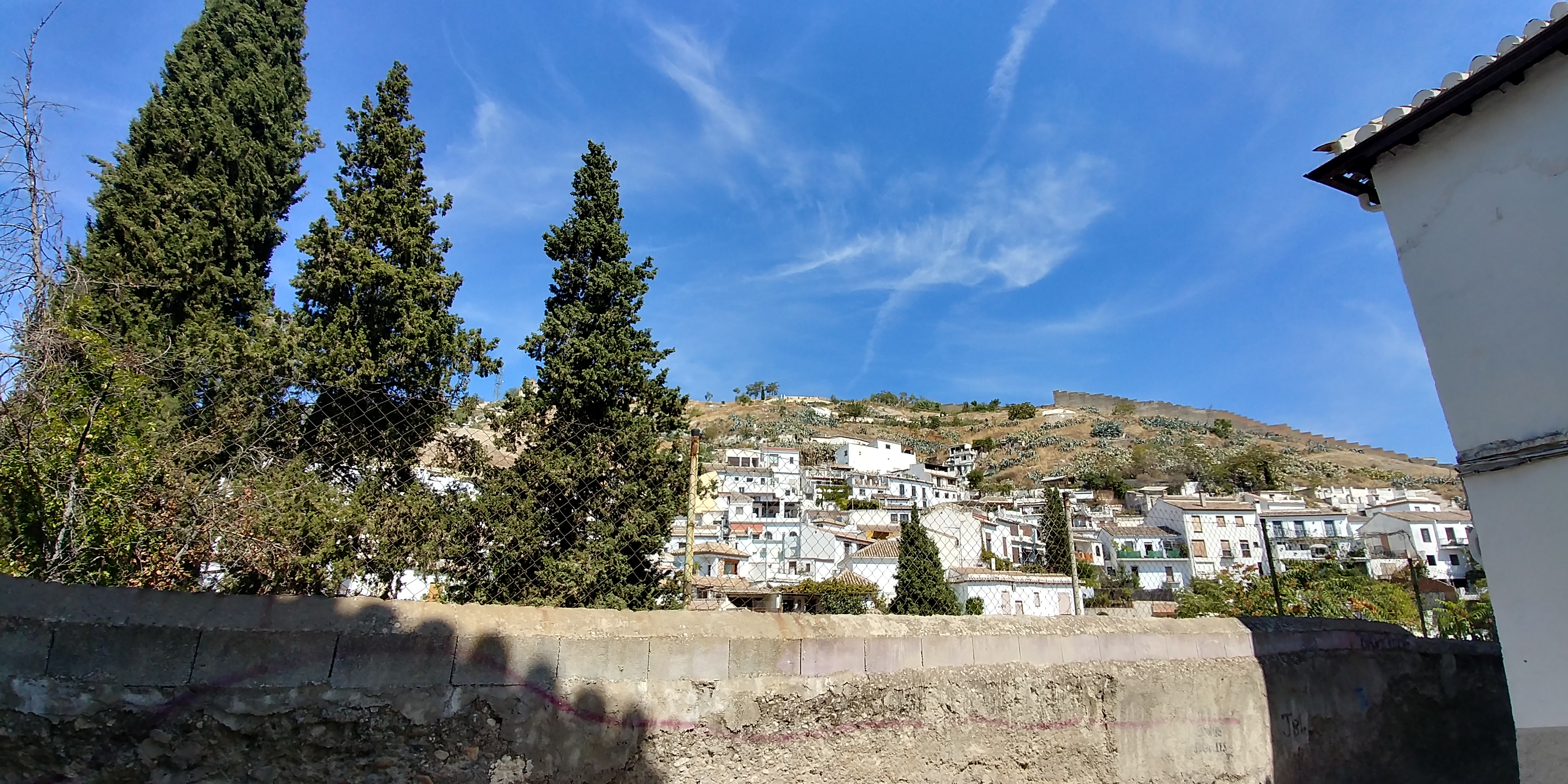
No-where in Spain did I feel more Muslim influence than in the Albaicin Quarters. Even though the Muslims where banished after the re-conquest of Spain, it seems that this old Arab quarters is still primarily inhabited by Muslims.
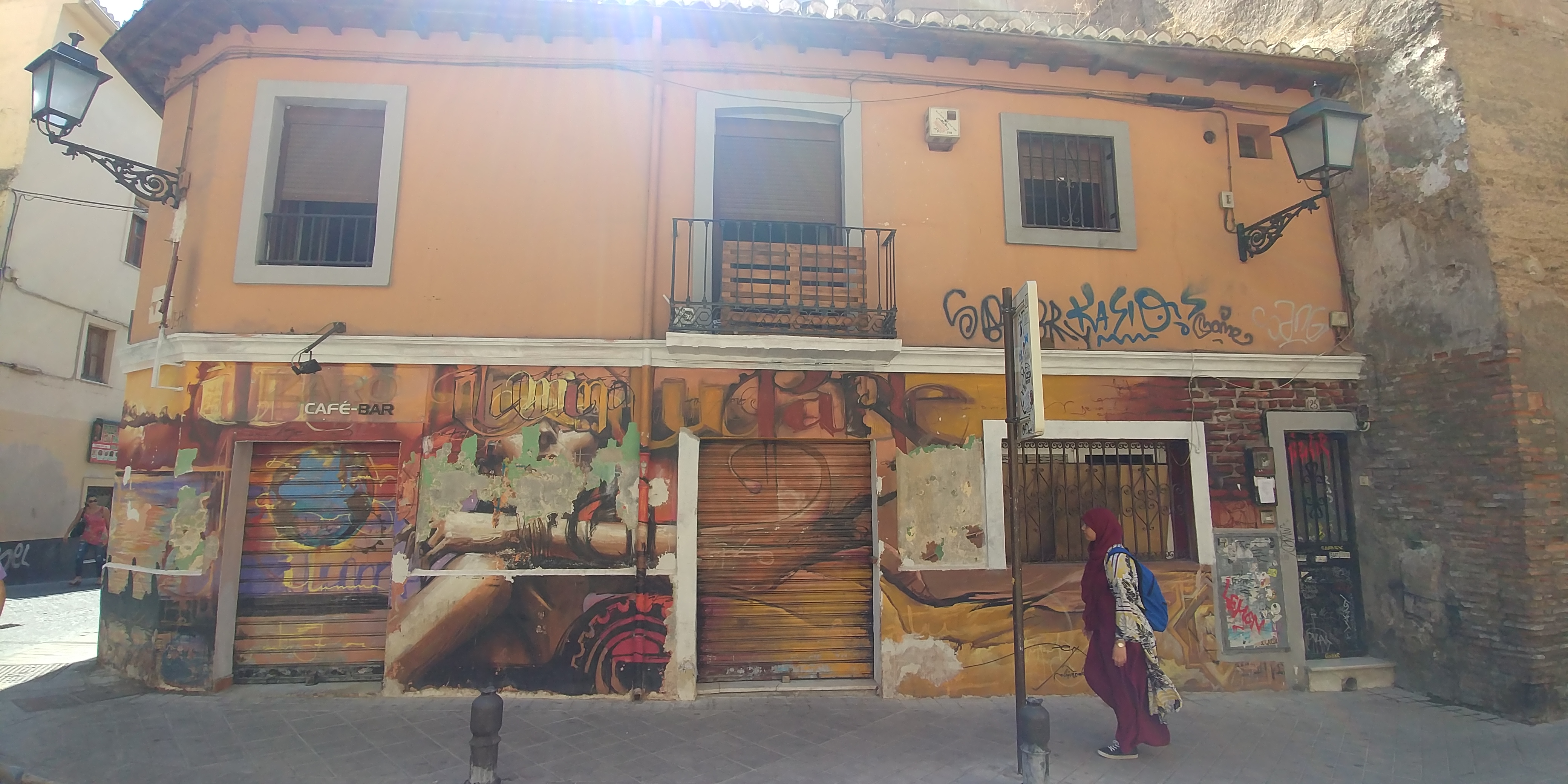
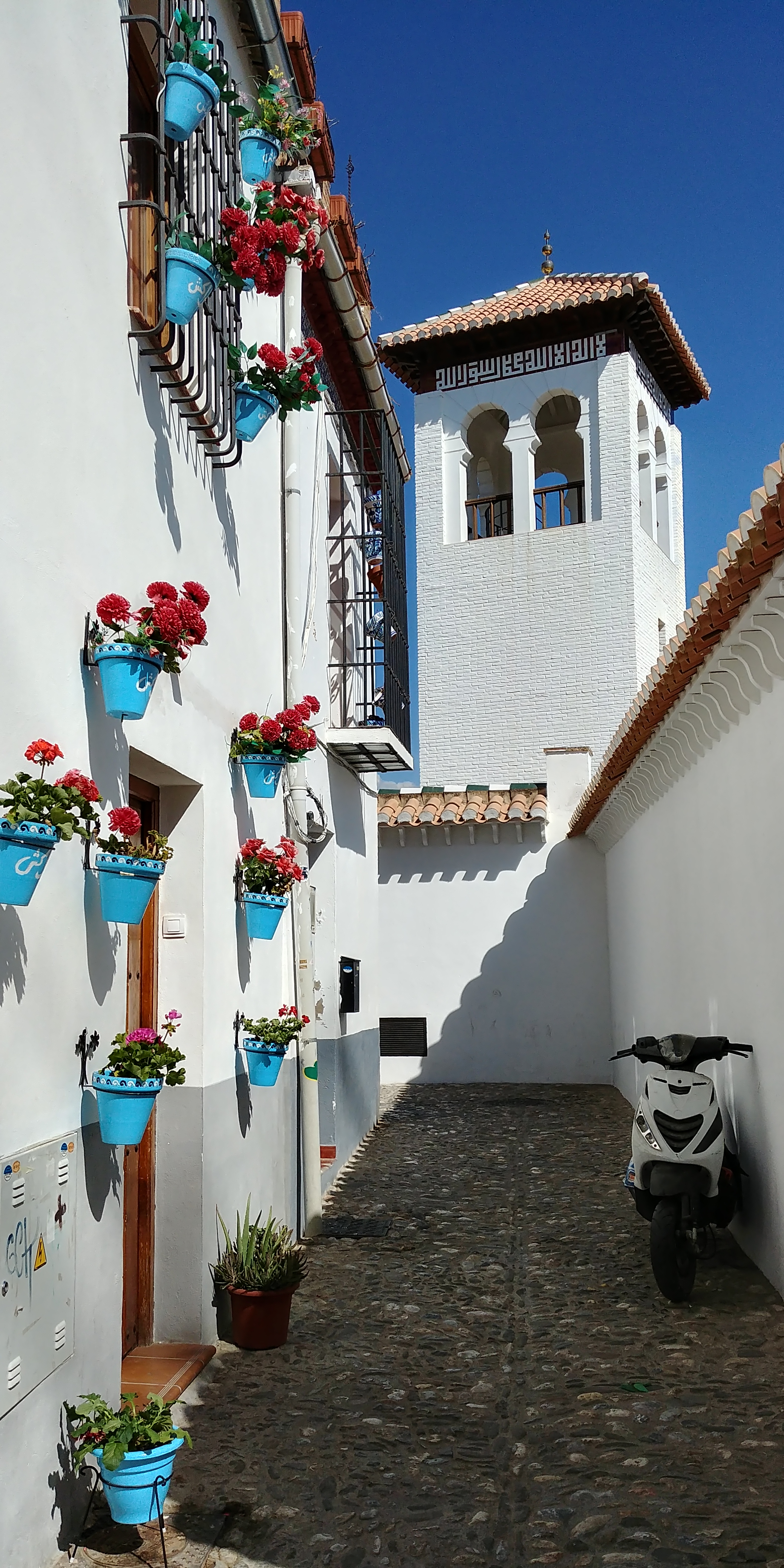
With is narrow streets, plenty of squares (plazas) and small clean houses, this area is a must do by foot.
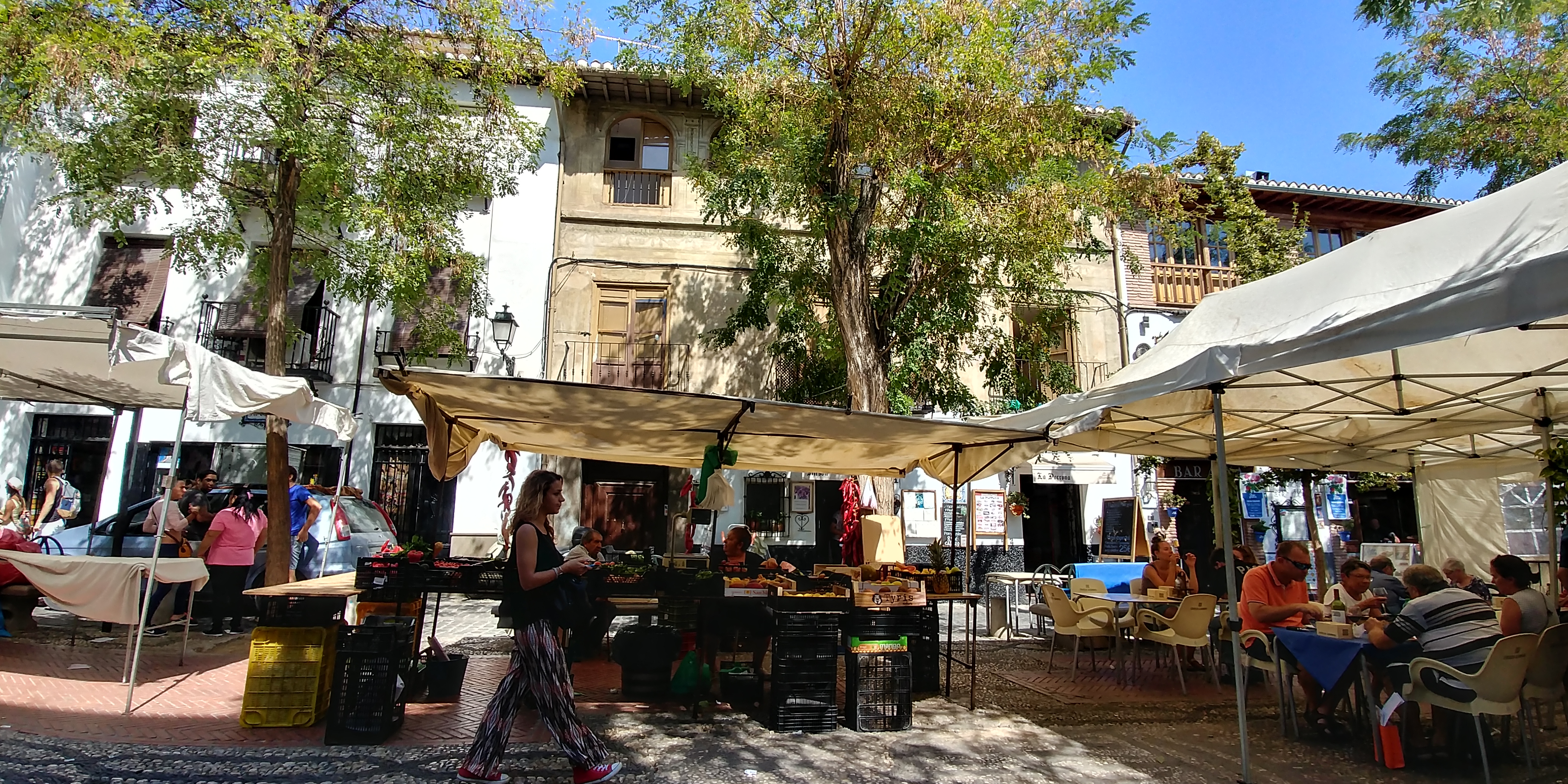
Make sure to wear comfortable walking shoes and take a bottle of water with to hydrate. The entire neighbourhood is situated on a hill so there is a bit of a climb to get to the Grand Mosque of Granada.
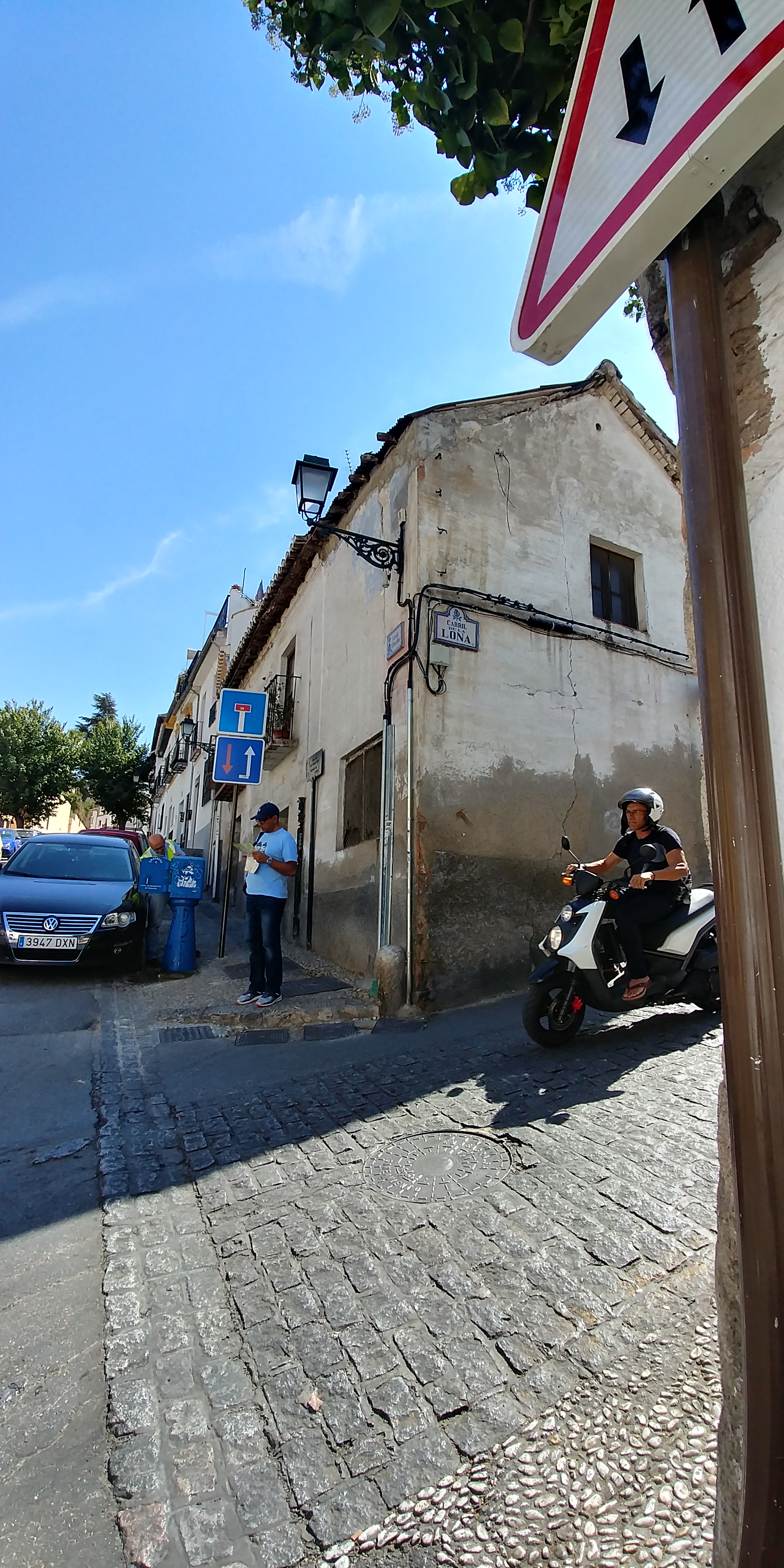
We were planning to reach the Mosque just after midday so that we could be in time for the Friday Sermon. Armed only with a picture of the Minaret, which I printed from google pics, we walked in the direction that we thought would be its location.
The Albaicin is not a very large neighbourhood, but there are endless narrow streets with similar looking white-washed houses and buildings. Its easy to get lost in this neighbourhood. We ended up at a place which we thought was the Mosque only to find that it was deserted.
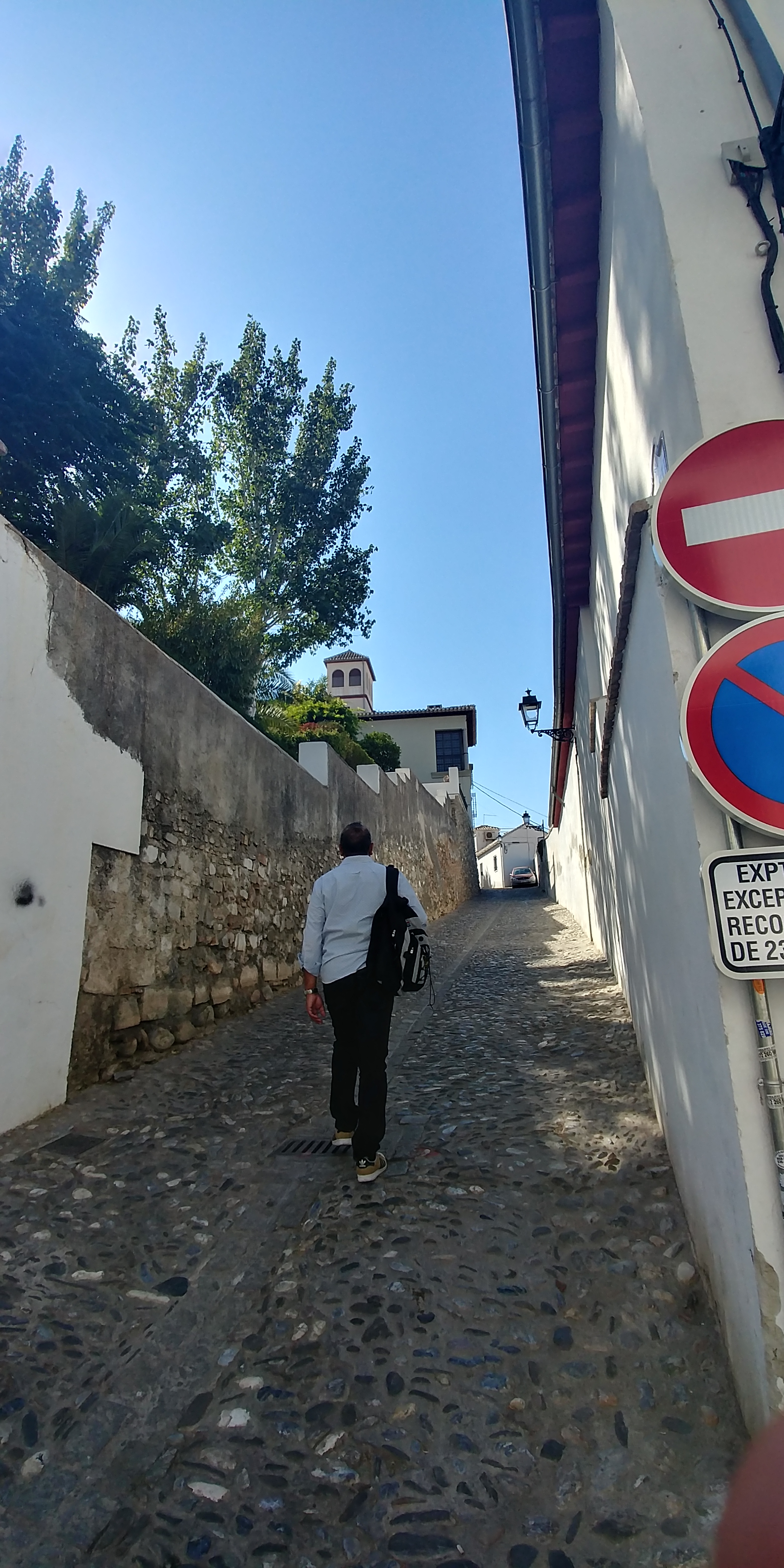
The time was now pushing closer to 12.30 and there was still no sign of the Grand Mosque. We were also a bit hot and our legs were feeling the heaviness of the climb. I felt anxious about missing the Friday prayer. Surely, we should hear the call to prayer ring out through the neighbourhood soon?
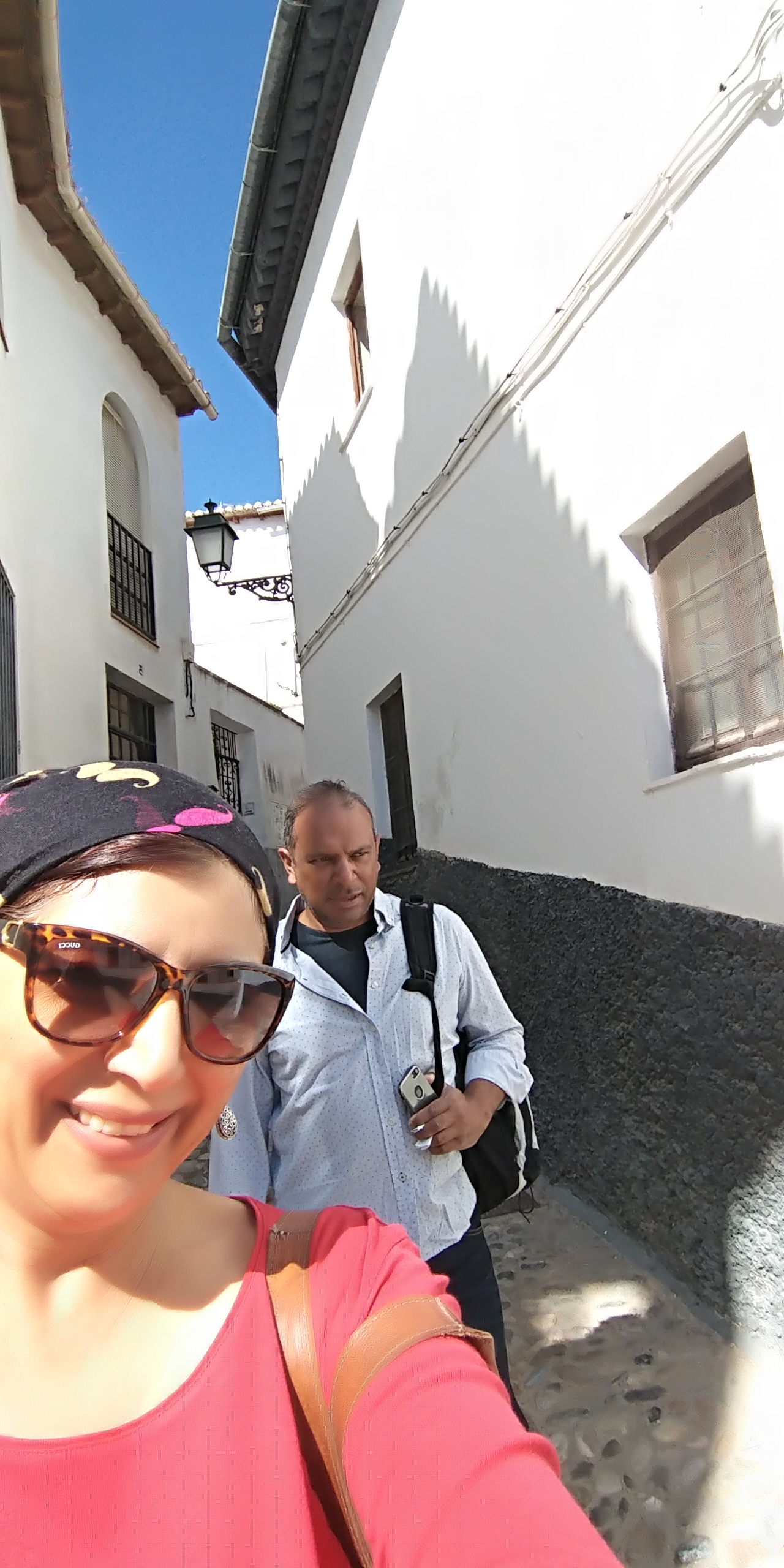
We kept walking, and ten minutes later, still no call to prayer but fortunately we found two young European tourists who were navigating their way around with a map. They kindly allowed us to check on their map and confirmed that the Mosque was near the San Nicholas Plaza.
Now we had more information to work with. The next passer-by we stopped directed us towards the San Nicholas Plaza and as we reached the top of the road the Plaza appeared in sight. It was easy from here to find the Mosque but still no call to prayer at 1pm?
Entering the mosque precinct we were pleased and surprised to hear that the Friday prayer only starts at around 2pm when most Muslims are able to leave their work place and make their way to the Mosque. Suddenly the pressure was off and we could enjoy the experience of discovering the many facets of this Mosque.
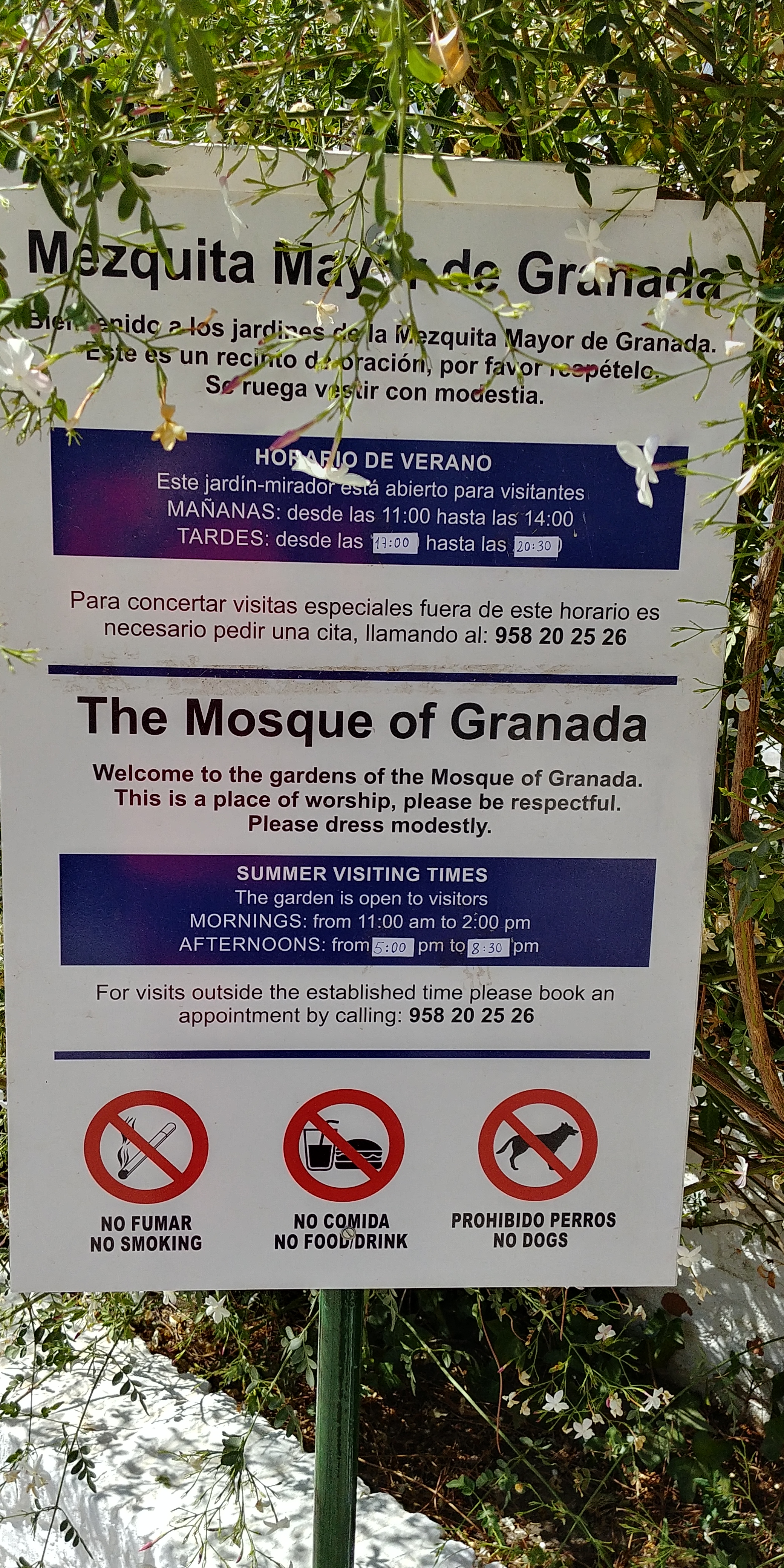
The Mosque complex comprises of three main areas, the garden, the prayer hall and the Centre of Islamic Studies.
The Garden
Picture a courtyard with two classic mosaic covered fountains,
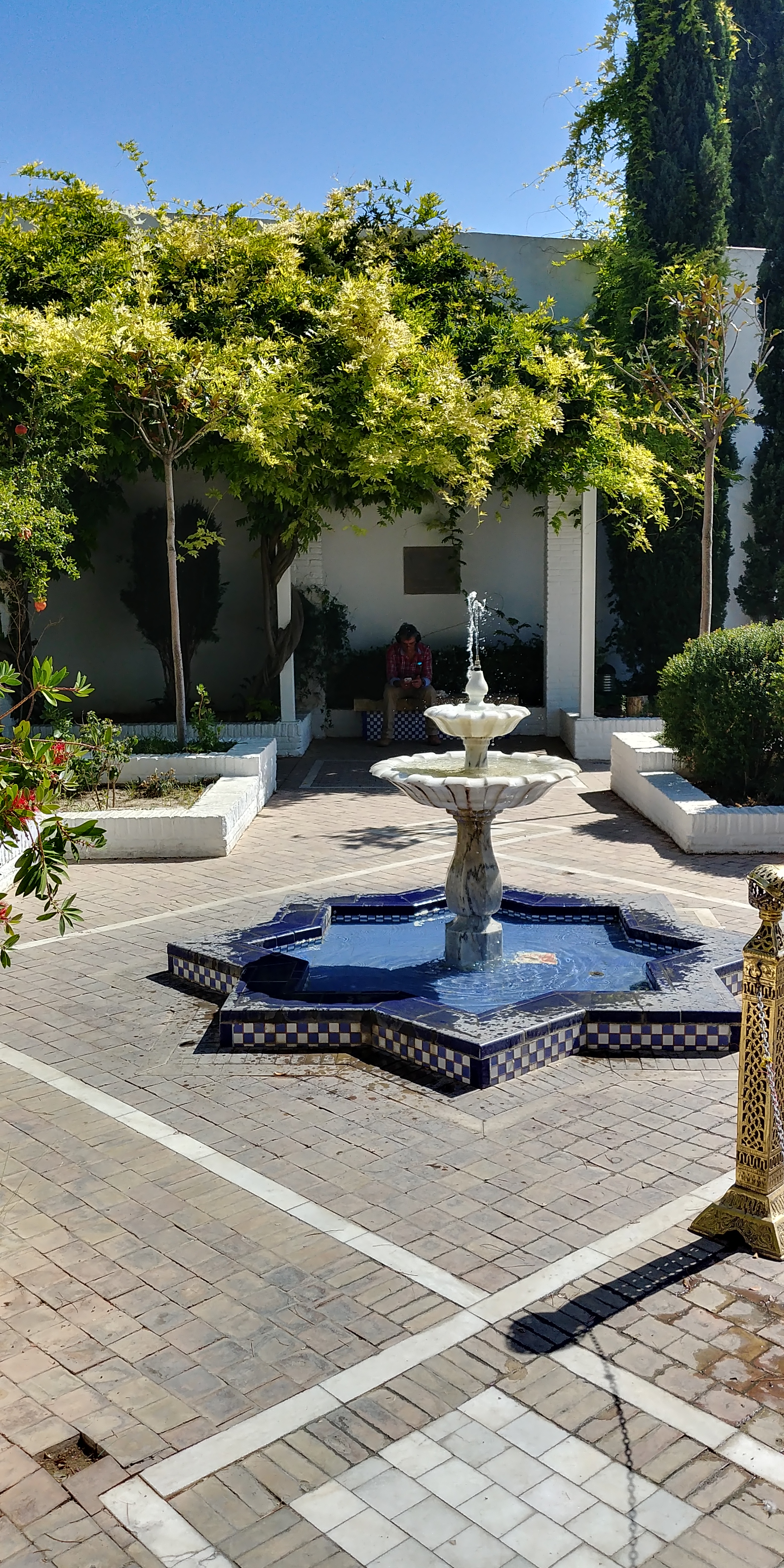
surrounded with lush green trees,
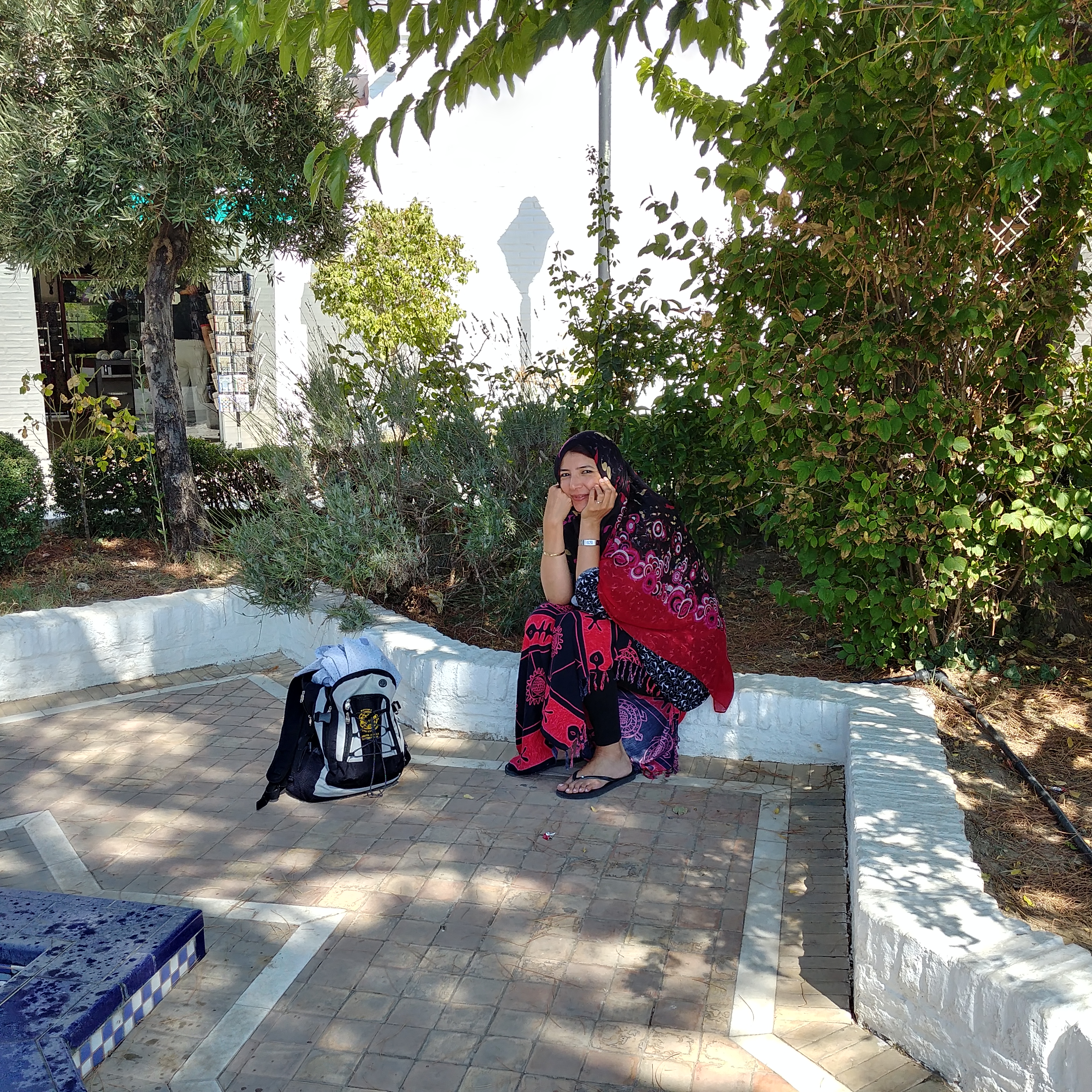
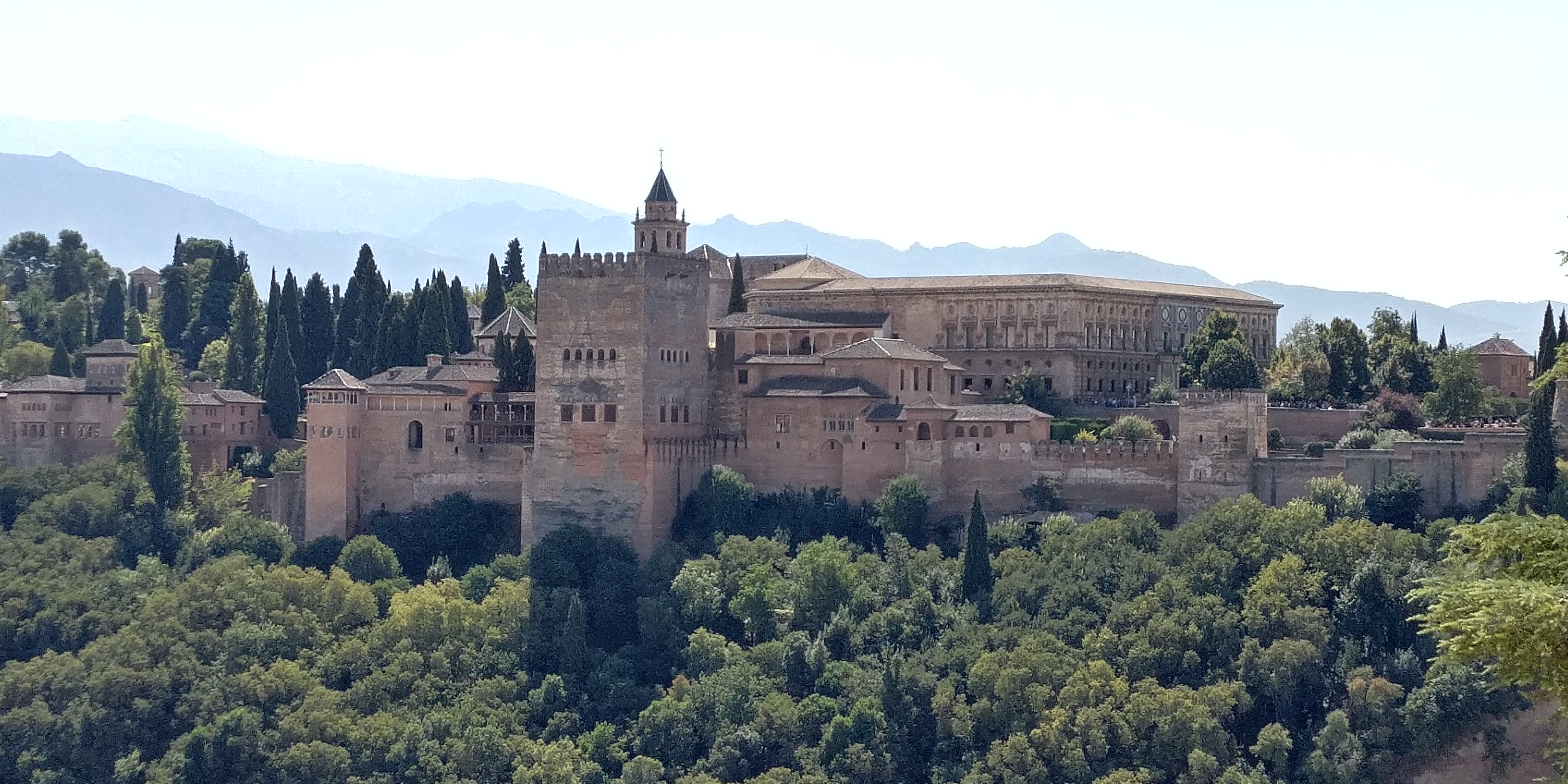
looking out over the hill towards the majestic Alhambra Palace.
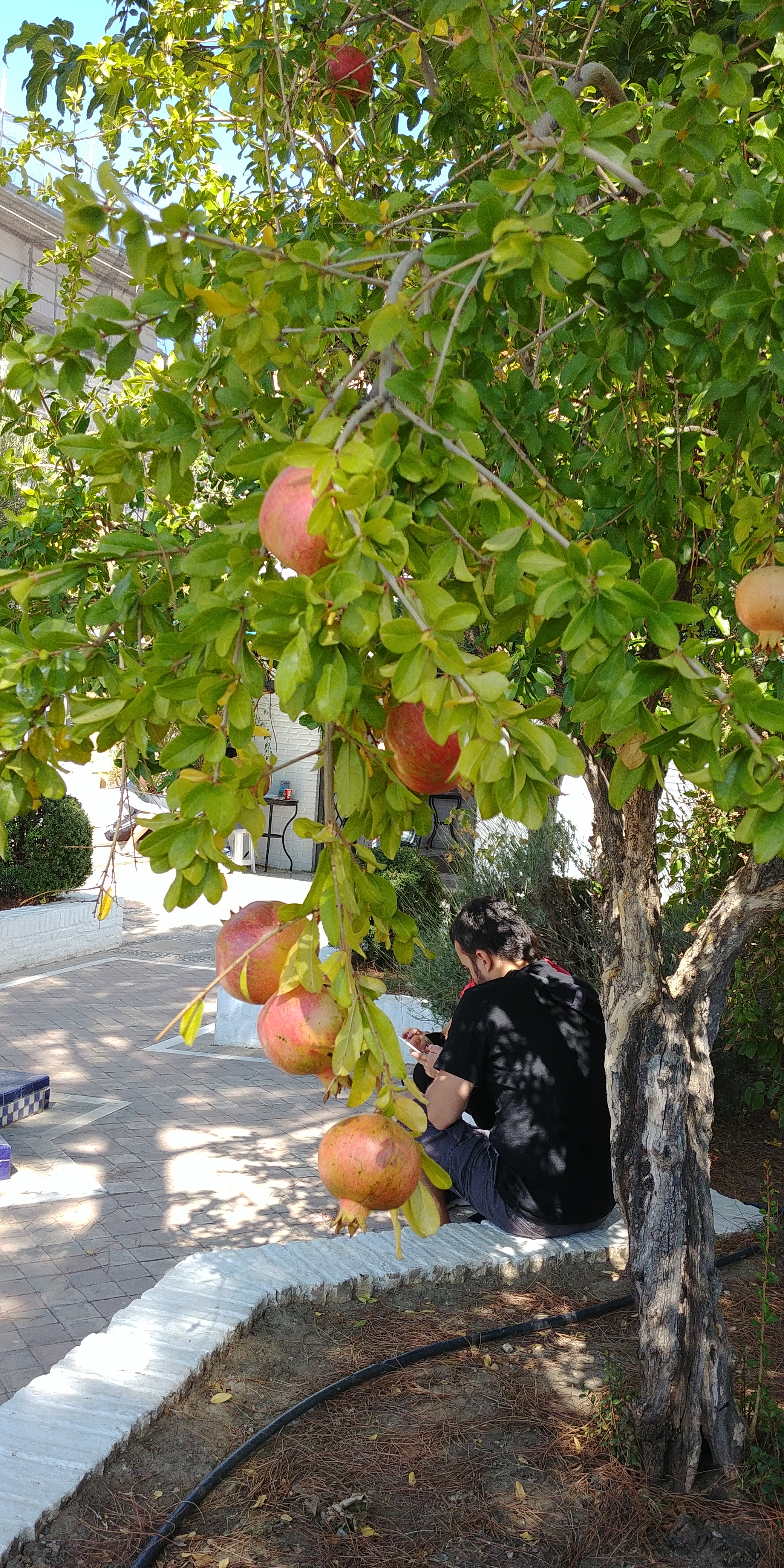
The garden is filled with many different plant and tree species with the most popular being the pomegranate tree. The Spanish word for this fruit is Granada so it has become a symbol for the city. Everywhere you go in Granada the pomegranate tree is found and here in the garden at The Grande Mosque of Granada it stands tall enough for you to find some shade.
The view from the Mosque garden is spectacular during the day with the backdrop of the Alhambra Palace. I’m sure it must be breath- taking as the sunsets over the Sierra Nevada mountains at night.
Note: I will be doing a separate blog about The Alhambra Palace
The Prayer Hall
The prayer niche or the Mihrab of the Grand Mosque of Granada is a very good replica of the famous mihrab of the Mezquita of Cordoba.
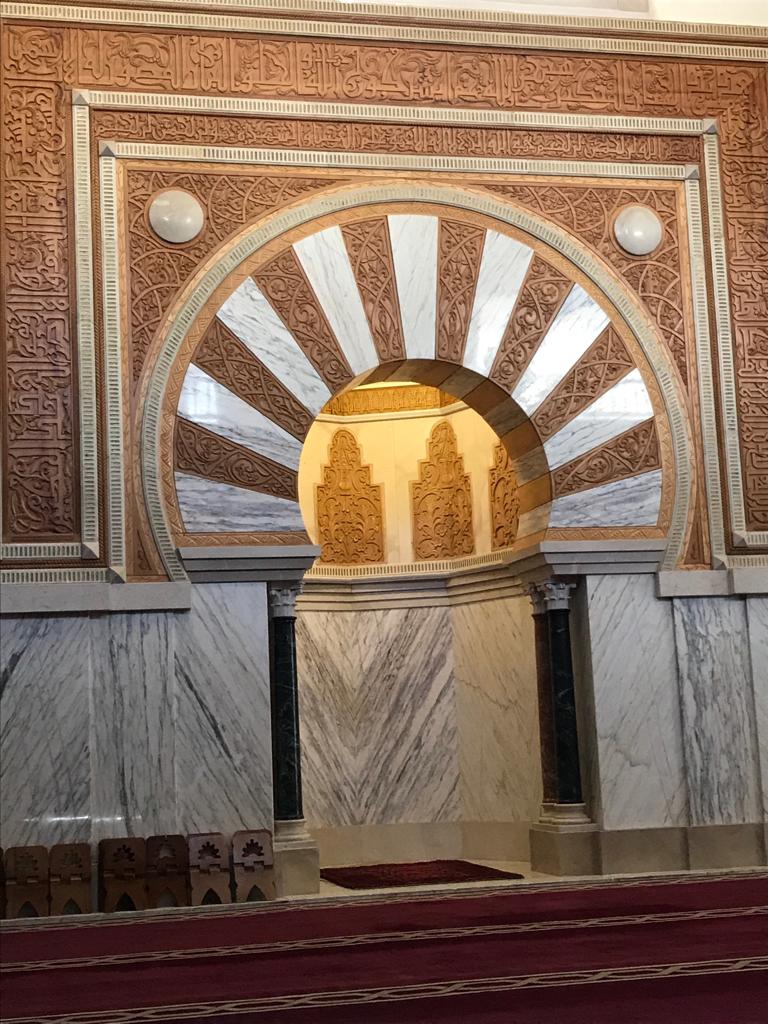
The multi-coloured marble tiles are identical to those of the Al Aqsa Mosque in Jerusalem and the great “Qibla” windows are replicas from the Blue Mosque of Istanbul. The Minaret from which the call to prayer is made five times a day is designed and constructed in the original Albaicin style.
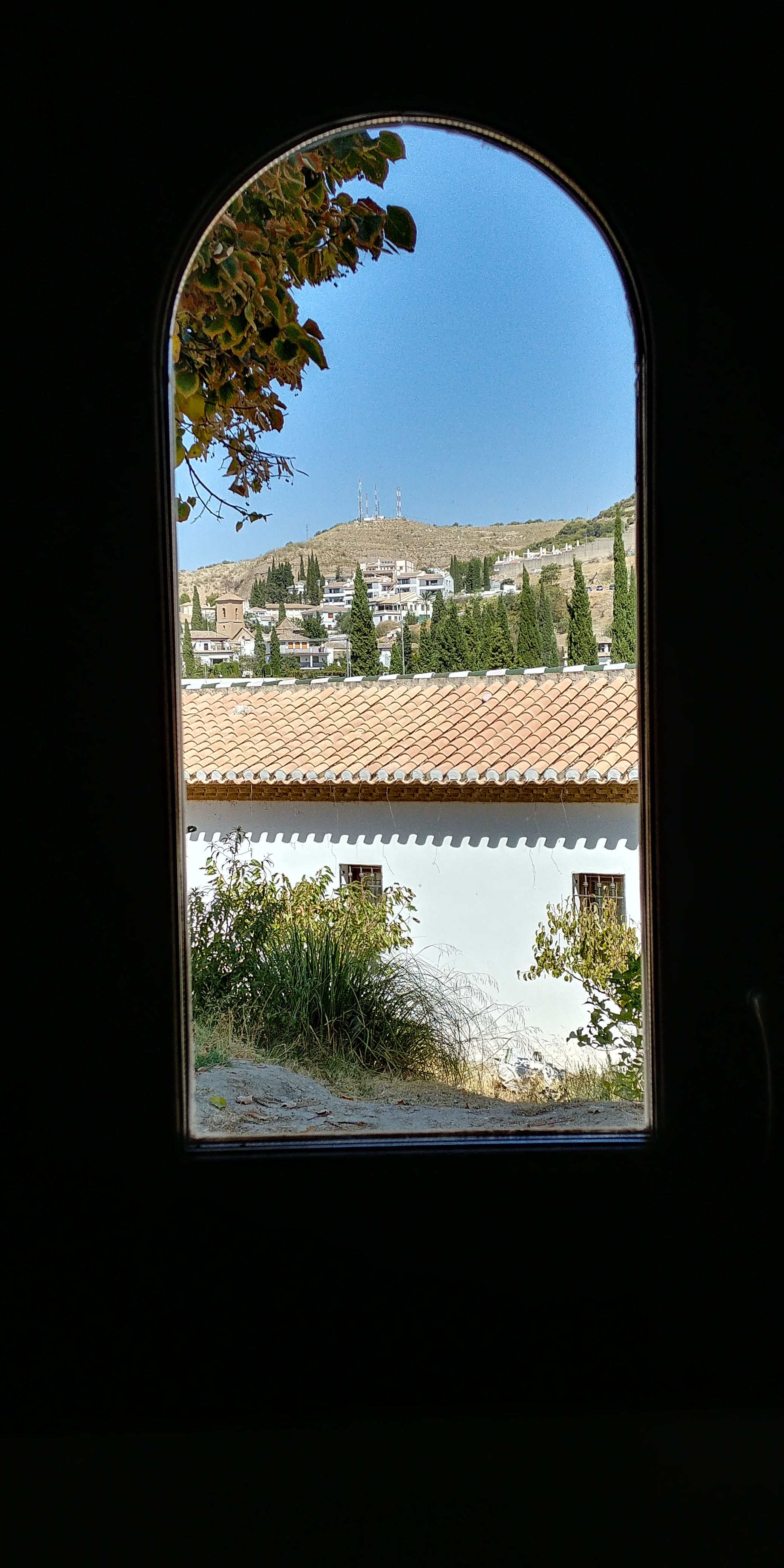
When you look out from the ladies section of the Mosque area you will be looking at the Sacromente – gypsy neighbourhood on the hill.
The Centre of Islamic Studies
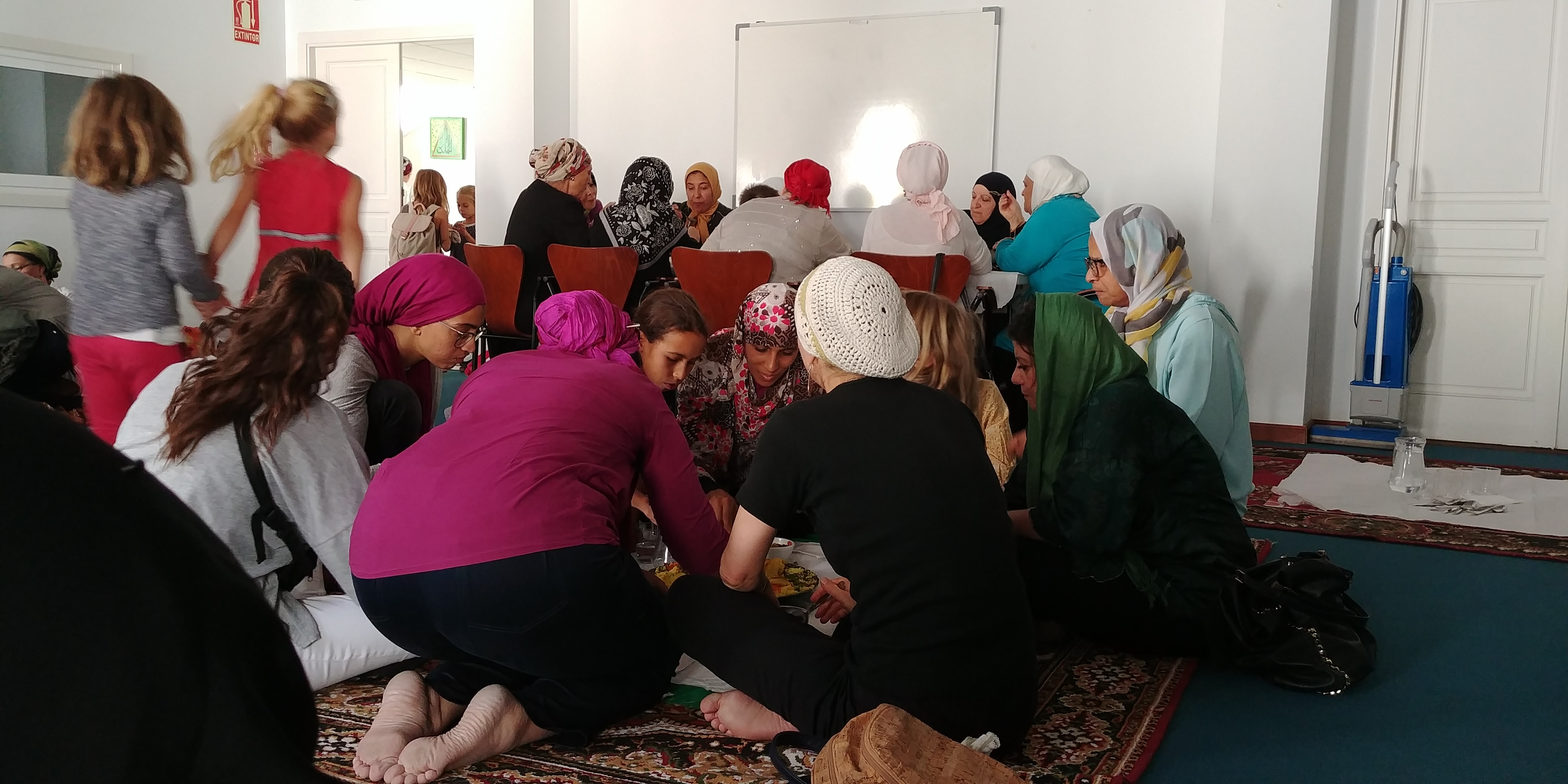
After the Friday prayers were completed, we were invited to join the congregation to share lunch in the Islamic Centre. The centre is on the lower floor and comprises a library, conference room and exhibition room.
A scrumptious but simple Morrocan meal was presented in huge plates and the women gathered in a separate area to the men to share in this mouth-watering feast.
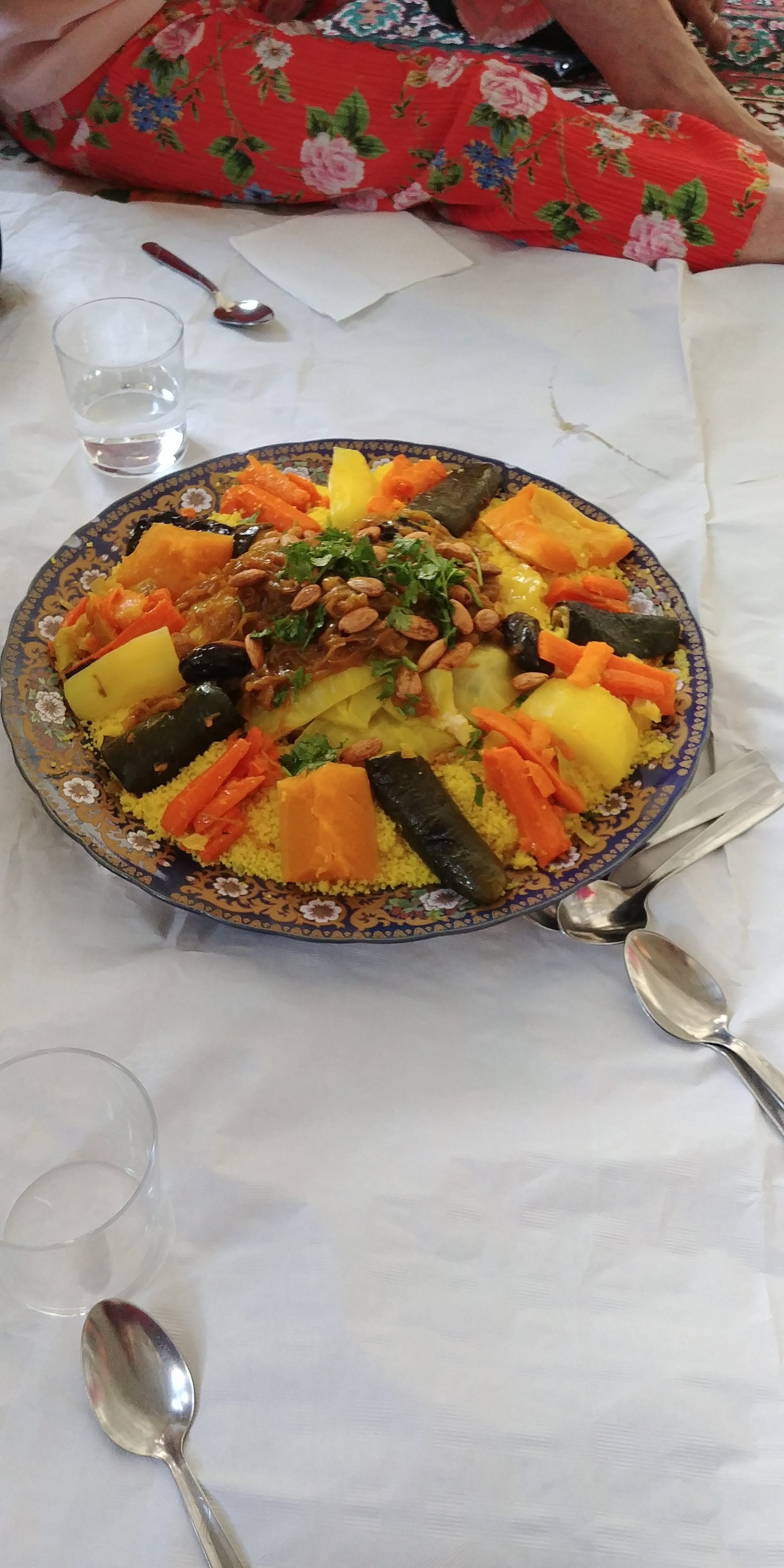
Such a wonderful experience to share a meal with the local community of the Albaicin neighbourhood.
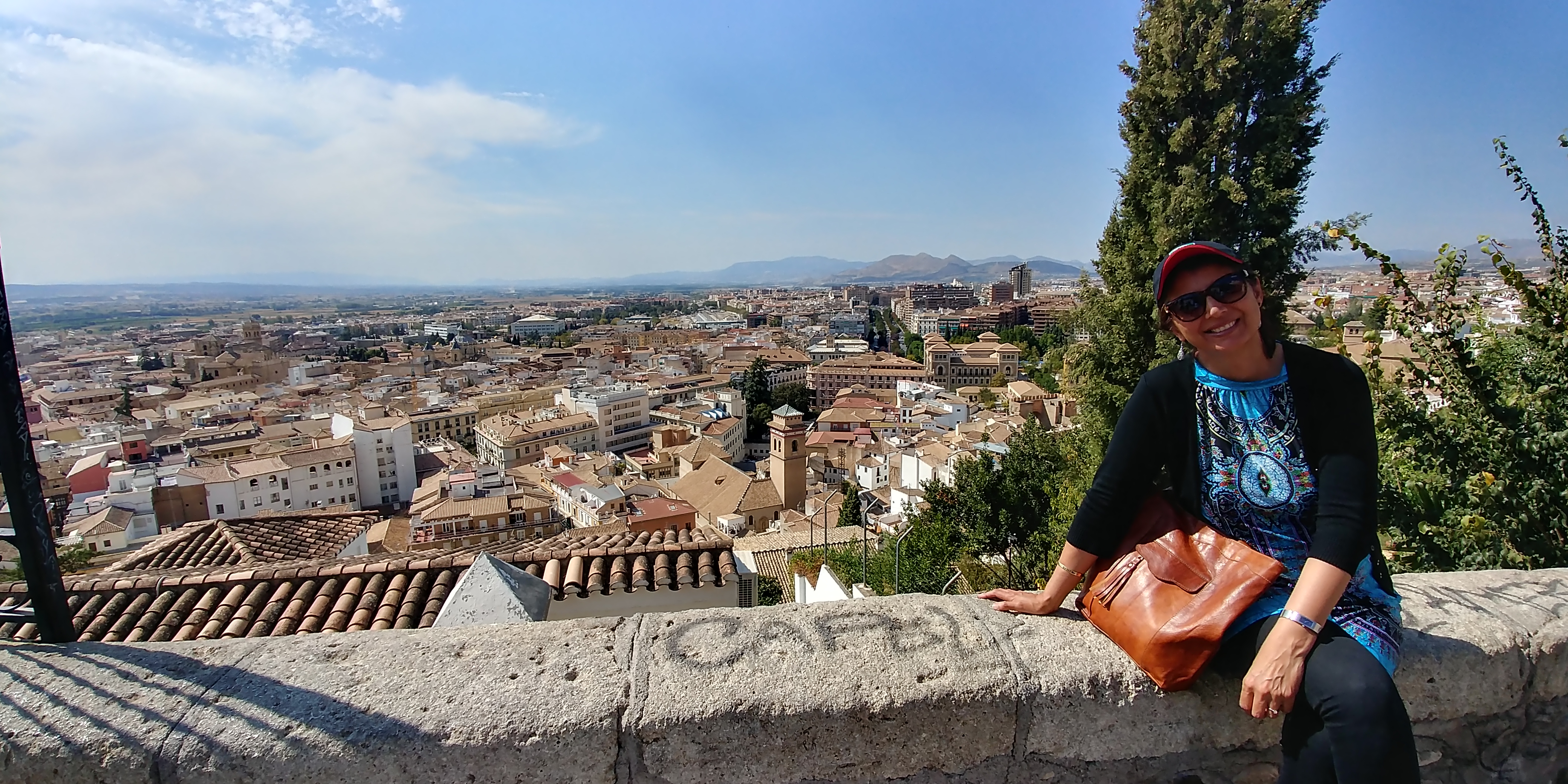
If you ever find yourself in the city of Granada, be sure include a visit to this neighbourhood. As you wander around these streets you will stumble across so many gems and look out points where you can see breath-taking views of the city.

 My Best Travels
Another excellent, well written inspiring read. Shukran Narri
LikeLiked by 1 person